English
- English
- Español
- Português
- русский
- Français
- 日本語
- Deutsch
- tiếng Việt
- Italiano
- Nederlands
- ภาษาไทย
- Polski
- 한국어
- Svenska
- magyar
- Malay
- বাংলা ভাষার
- Dansk
- Suomi
- हिन्दी
- Pilipino
- Türkçe
- Gaeilge
- العربية
- Indonesia
- Norsk
- تمل
- český
- ελληνικά
- український
- Javanese
- فارسی
- தமிழ்
- తెలుగు
- नेपाली
- Burmese
- български
- ລາວ
- Latine
- Қазақша
- Euskal
- Azərbaycan
- Slovenský jazyk
- Македонски
- Lietuvos
- Eesti Keel
- Română
- Slovenski
- मराठी
- Srpski језик


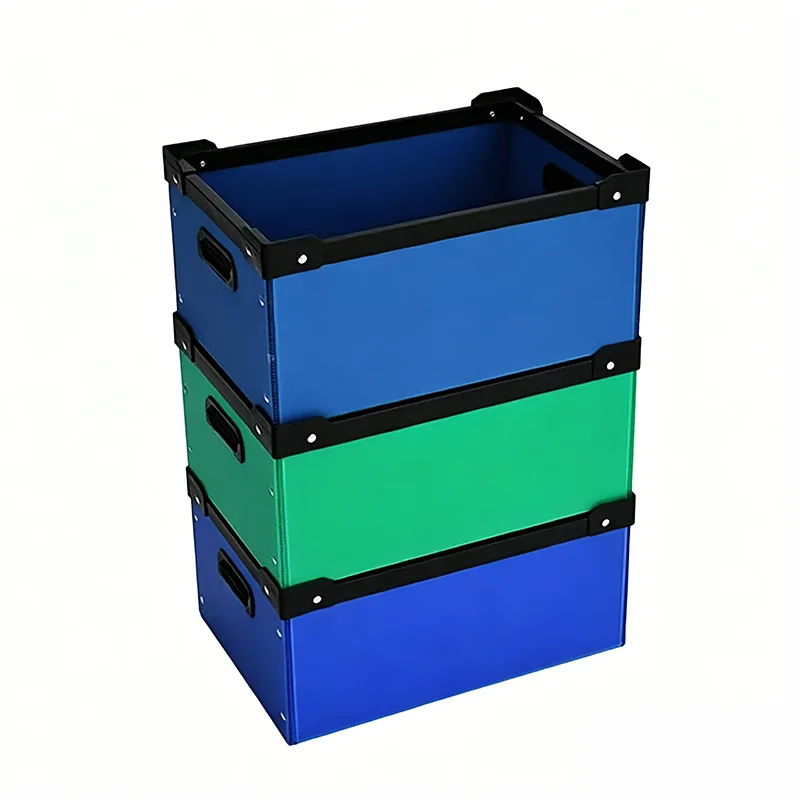
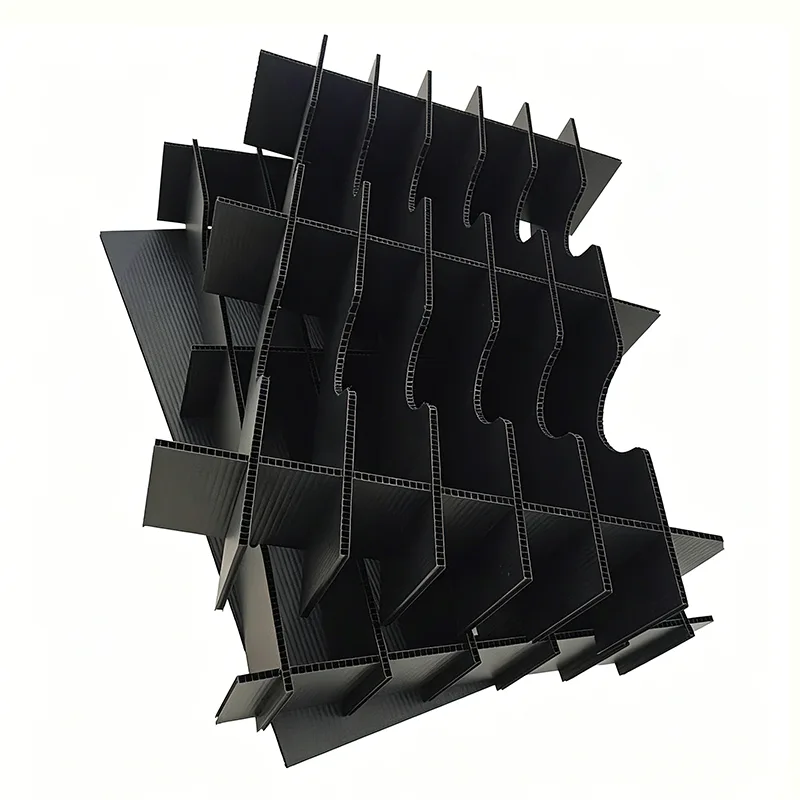
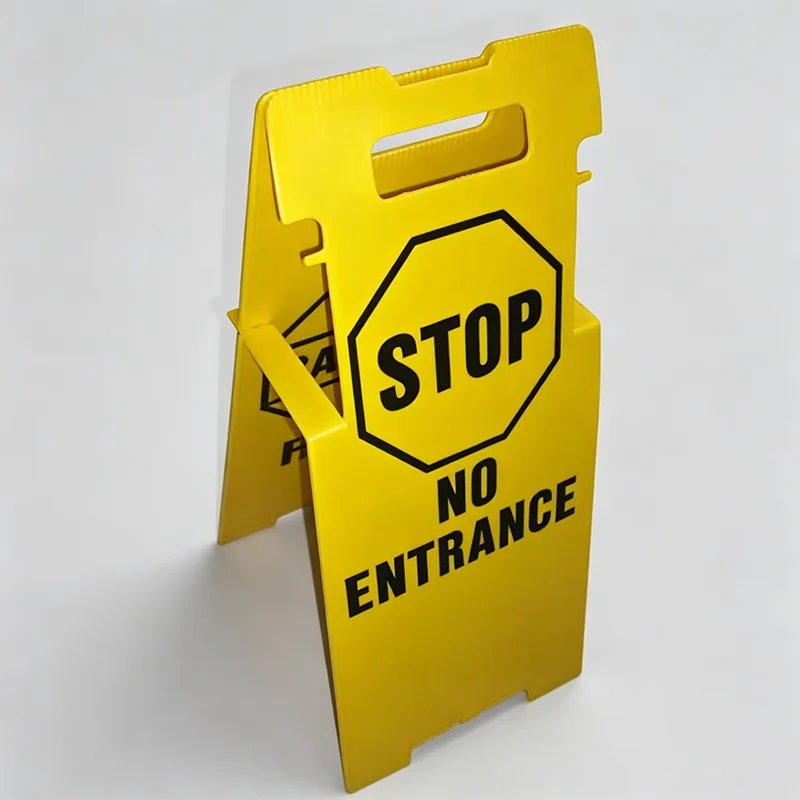
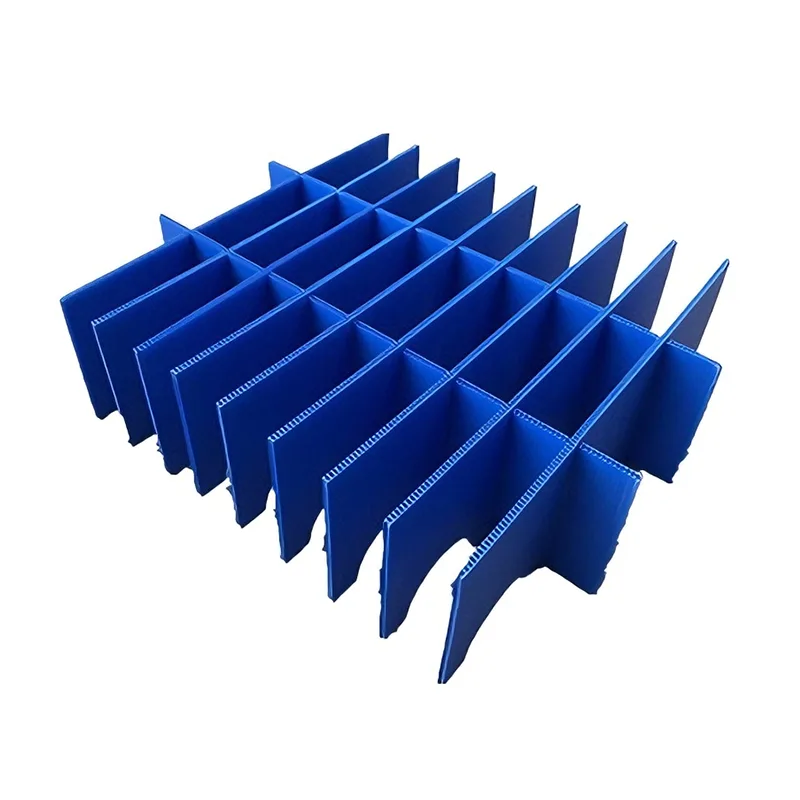

Anti-static hollow board material rack
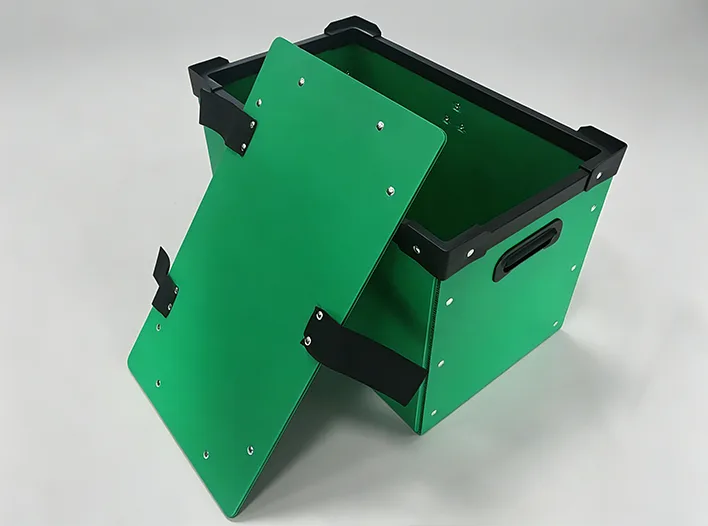
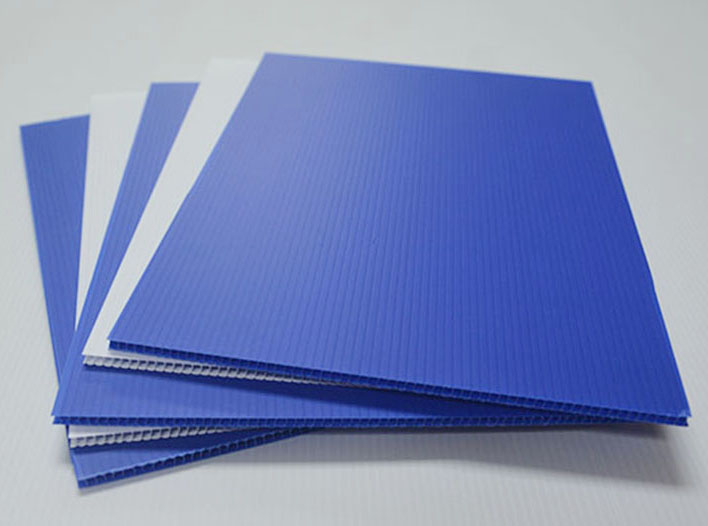
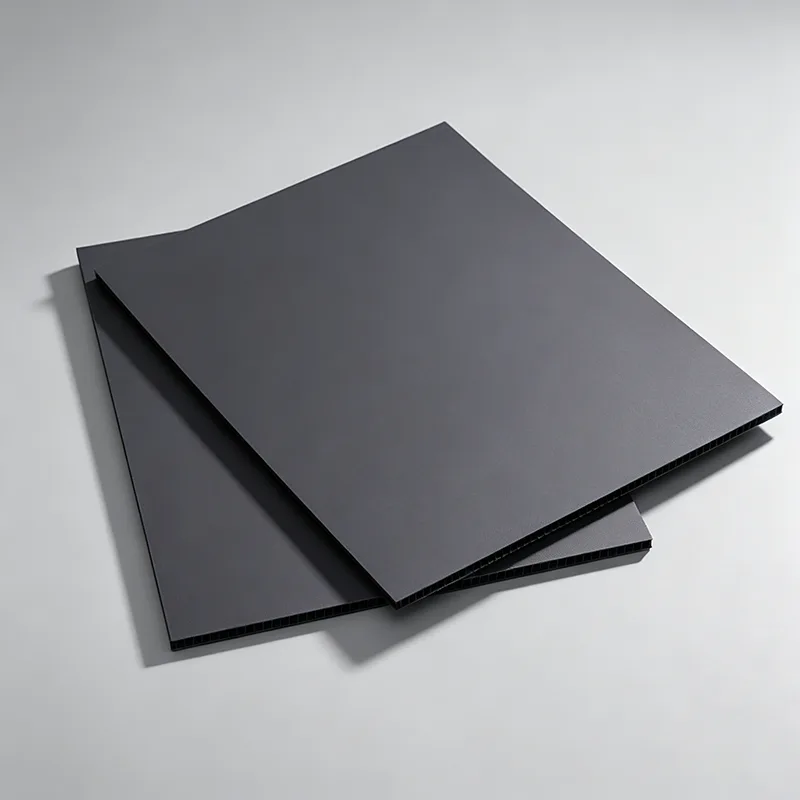
The anti-static hollow board used for material racks, manufactured by Cangzhou Juntai Packaging Products Co., Ltd., is made of polyethylene (PE). Commonly known as anti-static hollow board or "Wantong board," it is a novel, eco-friendly packaging material designed specifically for static-sensitive products. Structurally, it is a plastic hollow-core grid board; by incorporating an anti-static masterbatch into the polyethylene (PE) raw material, the product achieves stable and long-lasting anti-static properties.
The core function of anti-static hollow-board material racks is, ultimately, to simultaneously address the critical issues of "electrostatic hazards" and "physical damage" throughout the entire handling and storage process, thereby ensuring the yield and safety of electrostatic-sensitive products.
Key features of anti-static hollow board material racks:
1. Anti-static performance: This is its core function. By incorporating anti-static masterbatch, surface resistivity can be precisely controlled to meet the requirements of various applications.
Anti-static type: Surface resistivity typically ranges from 10⁶ to 10¹¹ Ω, effectively preventing static accumulation.
Conductive type: Surface resistivity typically ranges from 10³ to 10⁵ Ω, allowing for faster static dissipation; suitable for environments with stricter static control requirements.
2. Physical Properties: Featuring a unique hollow structural design, it combines the advantages of being lightweight, high-strength, and impact-resistant with shock-absorbing capabilities, effectively protecting the enclosed product from physical damage.
3. Chemical stability: It is waterproof, moisture-proof, corrosion-resistant, and insect-resistant. It offers stable performance, resists aging, and can be reused multiple times, serving as a substitute for traditional cardboard boxes.
4. Eco-friendly and recyclable: The material is non-toxic and pollution-free, meeting environmental standards; it can be recycled and reprocessed after use, thereby reducing packaging and transportation costs.5. Easy to process: It offers excellent secondary processing properties and can be flexibly fabricated into products of various sizes and shapes using methods such as die-cutting, riveting, and ultrasonic welding.
Benefits of anti-static hollow board material racks:
1. Exceptional durability: Under normal handling conditions, they can be reused 20 to 50 times or more, whereas cardboard boxes are typically single-use.
2. Reduced losses: They lower product scrap rates caused by electrostatic discharge or physical impact; the resulting "hidden" savings often far exceed the cost of the packaging materials themselves.
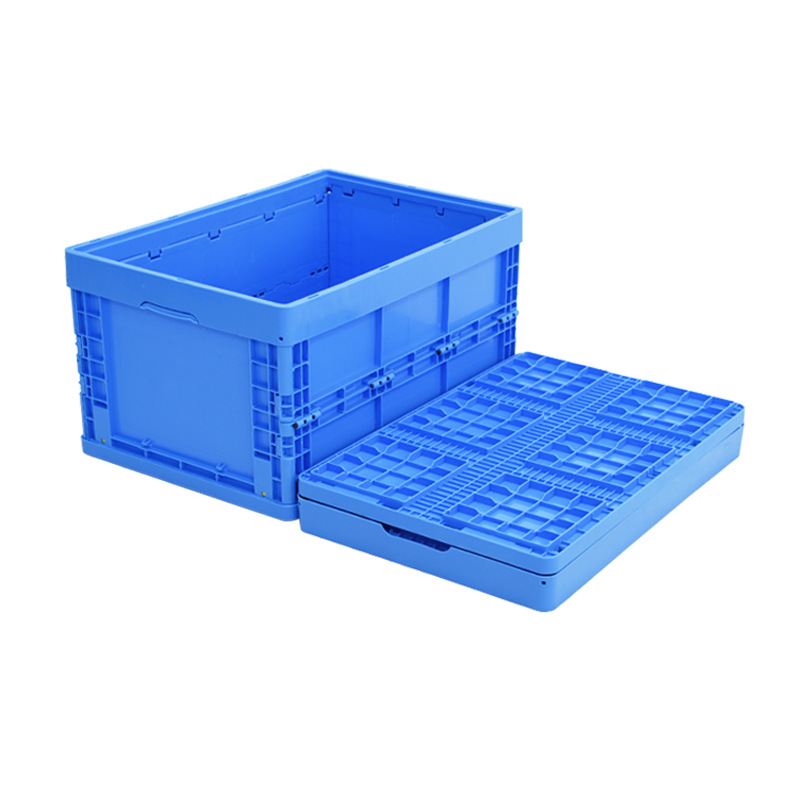
3. Storage efficiency: These racks are typically collapsible or nestable; when empty, they occupy only one-quarter to one-fifth of their in-use volume, significantly saving storage space and reducing return logistics costs.
4. Dust and moisture resistance: The smooth surface does not generate dust, and the material itself is non-absorbent and resistant to mold; it maintains stable performance in humid environments, protecting products from moisture damage.
5. Cushioning and shock absorption: The hollow structure acts like countless tiny air pockets, providing excellent cushioning and shock-absorbing properties. During transport and handling, it effectively absorbs impact forces, protecting products from bumps or scratches.
6. Elimination of static hazards: With surface resistance stabilized at 10⁶–10⁹ ohms (anti-static) or 10³–10⁵ ohms (conductive), it effectively prevents static buildup, avoiding damage to precision electronic components (such as chips and PCBs) caused by electrostatic discharge.
Typical Application Scenarios for Anti-Static Hollow Board Racks
1. Electronics and Semiconductor Industry: Used for the packaging, storage, and handling of electronic components, chips, circuit boards, and precision instruments to prevent damage caused by electrostatic discharge.
2. Automotive and Parts Industry: Utilized for automotive interior panels, parts handling containers, and dividers, providing protection and facilitating logistics management.
3. Optoelectronics and Precision Instruments: Employed for the protective packaging of high-precision products such as optical lenses and sensors, preventing damage or dust accumulation caused by static attraction.
4. Other Industrial Sectors: Widely adopted for material handling and warehousing in industries such as machinery, home appliances, pharmaceuticals, and food processing, thanks to properties such as moisture resistance, durability, and recyclability.
Common specifications for anti-static hollow board material racks:
1. Thickness: 2mm–12mm; thinner sheets are typically used for dividers and liners, while thicker sheets are used for load-bearing turnover boxes.
2. Width: Up to approximately 2.3m; length can be cut to size as required.
3. Colors: Black, blue, white, and transparent; black boards often incorporate carbon black masterbatch, providing both light-shielding and anti-static properties.
Surface resistance: 10³–10⁵ ohms (customized based on anti-static or conductive requirements).
Usage and Maintenance of Anti-static Hollow Board Racks:
I. Standardized Operation: Preventing Damage at the Source
1. Personnel Protection: Before handling static-sensitive products, operators must wear anti-static clothing, gloves, and wrist straps to ensure the safe discharge of static electricity from the body.
2. Careful Handling: Avoid throwing, dropping, or subjecting the containers to violent impacts during transport or placement to prevent cracks or structural damage caused by shock.
3. Even Load Distribution: Items inside the container should be arranged evenly to avoid unbalanced loads or concentrated stress points. Strictly prohibit overloading; the load must not exceed the container's maximum design capacity to prevent deformation or bottom rupture.
4. Proper Stacking: Ensure containers are vertically aligned when stacking. Secure them using built-in Velcro fasteners or positioning structures to prevent sliding. Stacking height must account for the load-bearing limit of the bottom container to avoid side-wall seam splitting caused by excessive pressure.
5. Avoiding Direct Contact: For highly sensitive components, it is recommended to prevent direct contact with the container walls; use anti-static liners or dividers as protective inserts.
II. Scientific Cleaning: Key to Maintaining Performance
1. Choice of Cleaning Agent: Use only neutral or mildly alkaline detergents and clean water. Strictly avoid corrosive or solvent-based substances—such as strong acids, strong alkalis, esters, ketones, or halogenated hydrocarbons—to prevent damaging the anti-static layer on the panel surface or causing material degradation.
2. Cleaning Tools: Gently wipe or scrub using a soft cloth, sponge, or soft-bristled brush. Do not use abrasive or sharp tools—such as steel wool, stiff-bristled brushes, or mops—to avoid scratching the surface.
3. Water Temperature Control: Keep the cleaning water temperature below 60°C; high temperatures may cause the panels to warp or their performance to deteriorate.
4. Drying Method: After cleaning, allow the unit to air-dry in a well-ventilated area. Avoid exposure to direct sunlight or high-temperature baking.
III. Proper Storage: Extending Service Life
1. Environmental Requirements: Store in a dry, clean, and well-ventilated area, protecting against dust and chemical contaminants. Keep away from sources of ignition to prevent fire hazards.
2. Protection from Light and Sun: Avoid prolonged exposure to direct sunlight or environments with intense ultraviolet (UV) radiation; UV exposure accelerates plastic aging, causing the material to fade and become brittle, thereby shortening its service life.
3. Proper Stacking: When storing empty containers, they may be folded or nested to save space; however, the stacking height should not exceed 2 meters. Do not place heavy objects on top of the containers, and ensure no hard objects are trapped between them.
IV. Regular Inspection: Preventive Maintenance
1. Visual Inspection: Periodically (e.g., monthly or quarterly) inspect the container body for cracks, damage, severe scratches, or deformation. Structural damage directly affects load-bearing capacity and anti-static performance.
2. Performance Verification: It is recommended to conduct a comprehensive anti-static performance test at least once a year. Use a surface resistivity meter to ensure the resistance value remains within the effective range of 10⁶–10¹¹ Ω (anti-static type) or 10³–10⁵ Ω (conductive type).
3. Component Maintenance: Check metal components (such as hinges, latches, and grounding strips) for rust or looseness; clean, apply anti-rust treatment, or tighten them as necessary.
Key Prohibitions for Anti-Static Corrugated Plastic Material Racks
1. Strictly prohibited: Cleaning with corrosive or solvent-based chemicals.
2. Strictly prohibited: Prolonged exposure to direct sunlight or placement near high-temperature heat sources.
3. Strictly prohibited: Overloading, uneven loading, or dropping from a height.
4. Strictly prohibited: Scraping or cleaning with hard tools.
5. Strictly prohibited: Long-term storage in environments with high humidity or corrosive gases.
6. Strictly prohibited: Unauthorized disassembly or modification of the anti-static grounding components on the unit.

Send Inquiry


Contact Info
-
Address
No. 118, North of Qinghe Line, Nanhuan East Road, Qingxian County, Cangzhou City, Hebei Province, China
-
Tel
-
Email
If you have any enquiry about quotation or cooperation, please feel free to email us at czdongbo@gmail.com or use the following inquiry form. Our sales representative will contact you within 24 hours. Thank you for your interest in our products.
Get a Tailored Quote from Juntai:
- Factory-Direct Precision
- Speed-to-Market Advantage
- Cost-Efficient Customization
- Global Supply Chain Expertise
Your Inquiry Unlocks:
- Free Technical Consultation
- Material Optimization Analysis
- 24-hour Preliminary Quote
- Logistics Cost Benchmarking
Related Products


News Recommendations