English
- English
- Español
- Português
- русский
- Français
- 日本語
- Deutsch
- tiếng Việt
- Italiano
- Nederlands
- ภาษาไทย
- Polski
- 한국어
- Svenska
- magyar
- Malay
- বাংলা ভাষার
- Dansk
- Suomi
- हिन्दी
- Pilipino
- Türkçe
- Gaeilge
- العربية
- Indonesia
- Norsk
- تمل
- český
- ελληνικά
- український
- Javanese
- فارسی
- தமிழ்
- తెలుగు
- नेपाली
- Burmese
- български
- ລາວ
- Latine
- Қазақша
- Euskal
- Azərbaycan
- Slovenský jazyk
- Македонски
- Lietuvos
- Eesti Keel
- Română
- Slovenski
- मराठी
- Srpski језик

Why is Floor Protection Board Essential for Modern Construction and Renovation?
In modern construction, renovation, and interior decoration projects, protecting finished or semi-finished flooring has become a critical requirement. A floor protection board is a specially designed material used to shield surfaces such as wood, marble, vinyl, ceramic tiles, and concrete from damage caused by heavy traffic, falling tools, paint spills, dust, and moisture. This article provides a complete and in-depth guide to floor protection boards, including their functions, materials, applications, installation methods, and buying considerations. It is designed to help contractors, builders, homeowners, and project managers make informed decisions while improving efficiency and reducing costly repairs.
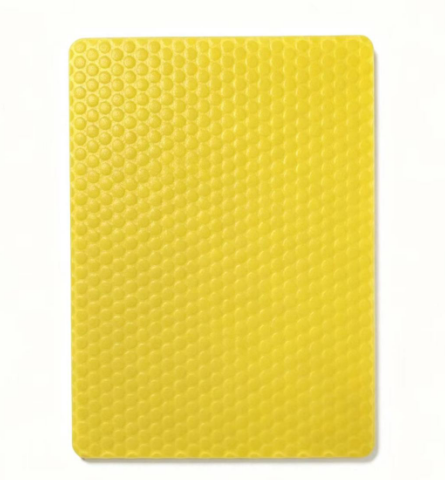
Table of Contents
- 1. What is a Floor Protection Board?
- 2. Why Floor Protection Matters in Construction
- 3. Types of Floor Protection Boards
- 4. Materials and Performance Comparison
- 5. Application Scenarios
- 6. How to Install Floor Protection Board Properly
- 7. Key Benefits and Value
- 8. Cost Factors and Budget Planning
- 9. Common Mistakes to Avoid
- 10. Buying Guide and Selection Tips
- 11. Environmental and Sustainability Considerations
- 12. Frequently Asked Questions
- 13. Conclusion and Professional Recommendation
1. What is a Floor Protection Board?
A floor protection board is a temporary covering material used to safeguard flooring surfaces during construction, renovation, painting, moving, or event setup. It acts as a physical barrier between the floor and potential sources of damage such as tools, ladders, debris, liquids, or heavy equipment.
Unlike simple plastic sheets or cardboard, modern floor protection boards are engineered for durability, impact resistance, water resistance, and reusability. They are designed to withstand high foot traffic and mechanical stress while maintaining the integrity of the underlying surface.
Typical features include:
- High impact resistance
- Waterproof or water-resistant layers
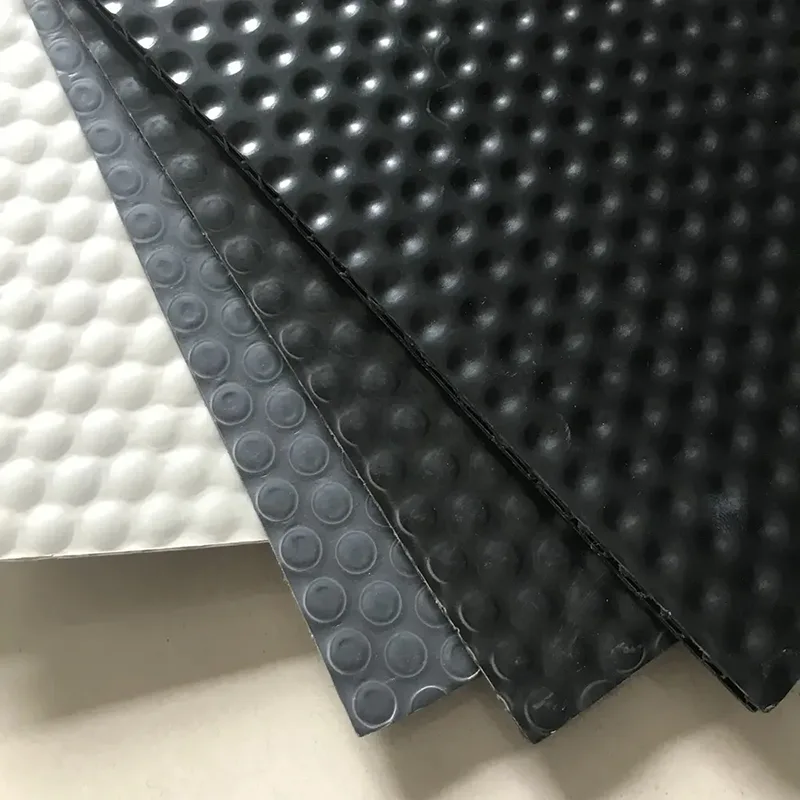
- Anti-slip surface texture
- Reusable and recyclable options
- Easy cutting and installation flexibility
2. Why Floor Protection Matters in Construction
Construction and renovation environments are inherently risky for finished flooring. Even minor accidents can result in expensive repairs or replacements. Using a floor protection board significantly reduces these risks.
Main risks without protection:
- Scratches from tools and equipment
- Paint stains and chemical spills
- Impact damage from dropped objects
- Moisture penetration causing warping
- Dirt accumulation in sensitive surfaces
In large projects, repair costs can exceed the budget for protection materials by several times. Therefore, floor protection boards are considered a cost-saving investment rather than an optional accessory.
3. Types of Floor Protection Boards
Different project environments require different types of floor protection boards. Below is a classification based on material and structure.
| Type | Material | Key Features | Best Use Case |
|---|---|---|---|
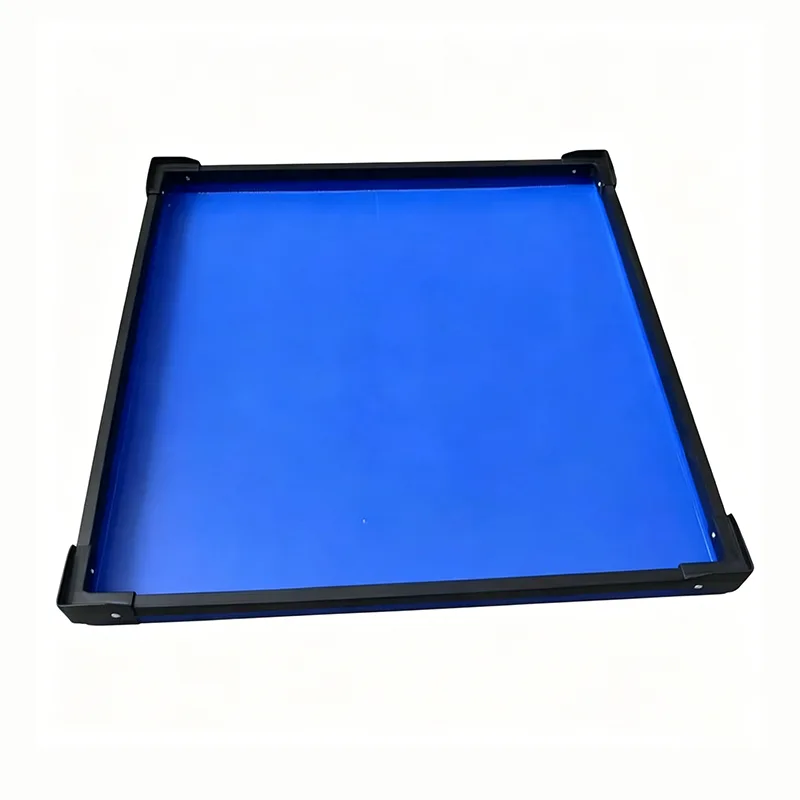
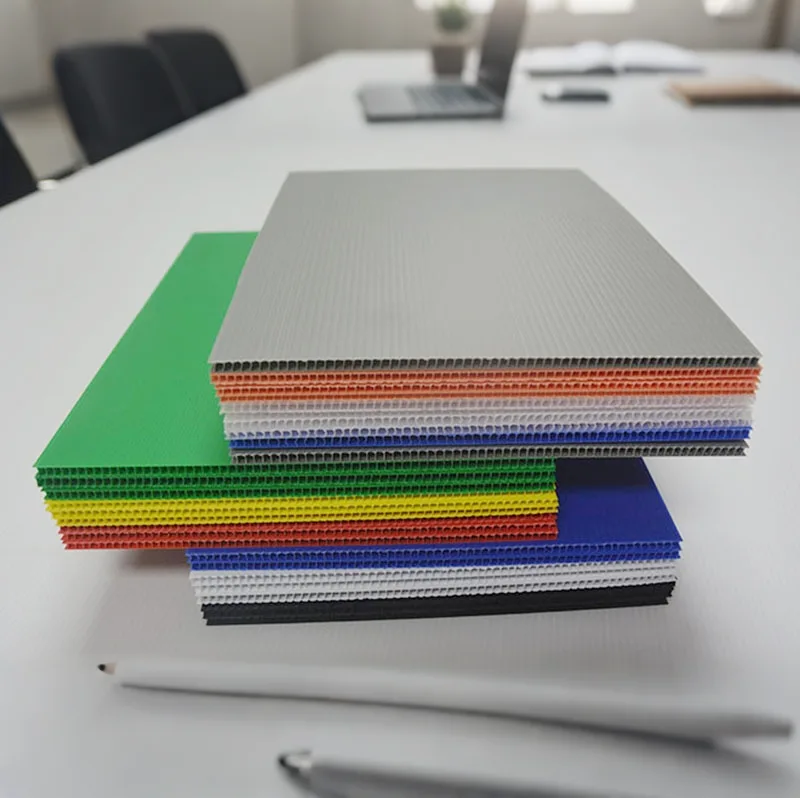
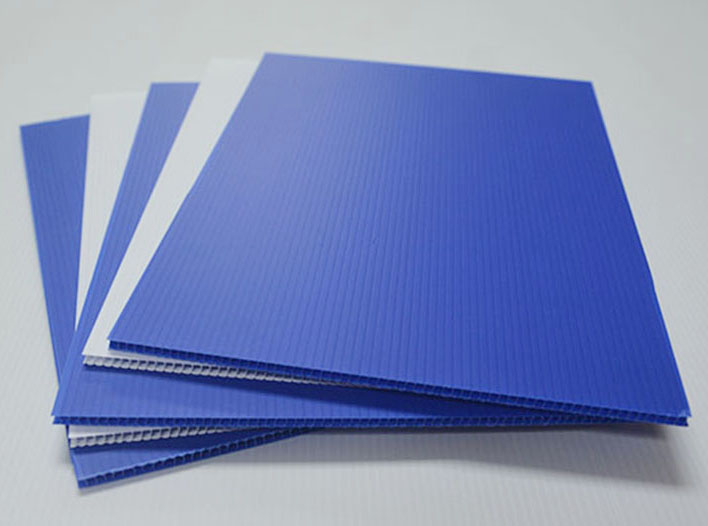
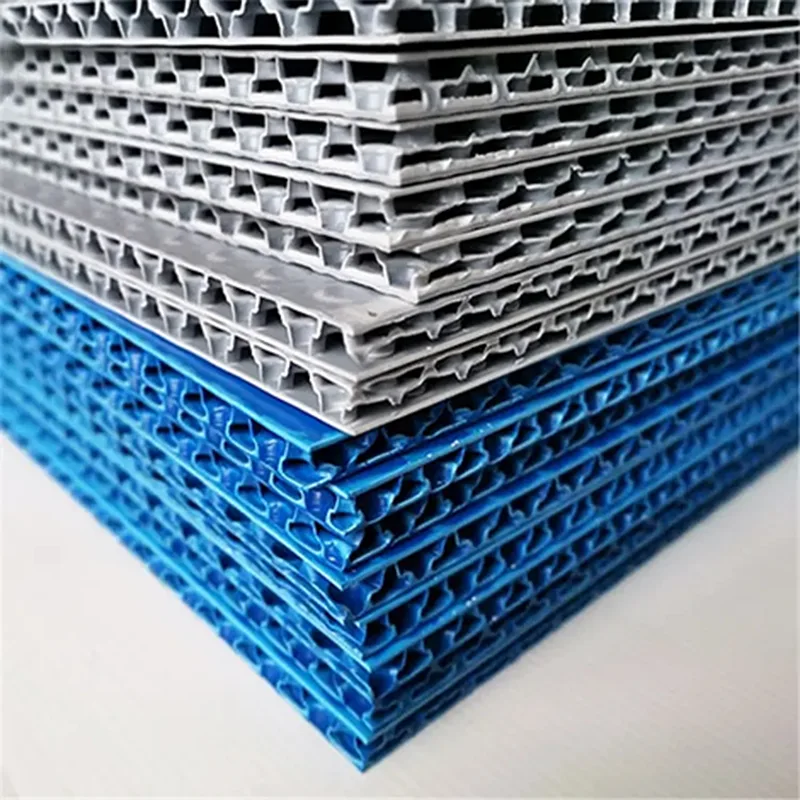
| Corrugated Plastic Board | PP (Polypropylene) | Lightweight, waterproof, reusable | Renovation and long-term projects |
| Heavy-Duty Fiberboard | Compressed fiber | High strength, eco-friendly | Commercial construction sites |
| Self-Adhesive Protection Film | Polyethylene film | Easy installation, dust-proof | Short-term interior decoration |
| Rubber Protection Mat | Industrial rubber | Anti-slip, shock absorption | Heavy machinery areas |
| Composite Protection Sheet | Multi-layer material | High durability, moisture resistant | High-end flooring protection |
4. Materials and Performance Comparison
Selecting the right material is essential to achieve optimal protection. Below is a comparison of common materials used in floor protection boards.
- Polypropylene (PP): Excellent water resistance and durability, suitable for repeated use.
- Cardboard-based boards: Cost-effective but less resistant to moisture.
- Fiber composites: Strong and eco-friendly but heavier.
- Rubber-based materials: Best for shock absorption and heavy loads.
Each material offers a unique balance between cost, durability, and usability. Project managers must evaluate environmental conditions and workload before selecting the most appropriate type.
5. Application Scenarios
The use of floor protection boards spans across multiple industries and scenarios.
Common applications include:
- Residential renovation projects
- Commercial building construction
- Furniture installation and moving
- Event staging and exhibitions
- Hospitality and hotel maintenance
- Industrial equipment installation
In each scenario, the main objective is the same: prevent damage while maintaining workflow efficiency.
6. How to Install Floor Protection Board Properly
Correct installation ensures maximum effectiveness. Improper placement can reduce protection efficiency or even cause accidents.
Step-by-step installation guide:
- Clean the floor surface thoroughly to remove dust and debris.
- Measure the area accurately before cutting boards.
- Lay boards tightly with minimal gaps.
- Use tape or adhesive strips to secure edges.
- Overlap joints for waterproof protection if necessary.
- Inspect the surface for movement or instability.
For high-traffic areas, double-layer installation is recommended for enhanced durability.
7. Key Benefits and Value
A high-quality floor protection board provides multiple advantages beyond simple surface covering.
- Cost savings: Reduces repair and replacement expenses.
- Time efficiency: Minimizes cleaning and restoration time.
- Safety improvement: Anti-slip surfaces reduce accident risks.
- Professional appearance: Keeps job sites organized and clean.
- Material protection: Preserves high-value flooring materials.
These benefits make floor protection boards essential for both small-scale and large-scale projects.
8. Cost Factors and Budget Planning
The cost of floor protection boards varies depending on material, thickness, durability, and supplier.
| Factor | Impact on Price |
|---|---|
| Material Type | High-performance materials increase cost |
| Thickness | Thicker boards offer better protection but cost more |
| Reusability | Reusable boards are more cost-efficient long-term |
| Order Quantity | Bulk purchasing reduces unit price |
A well-planned budget ensures both quality protection and cost efficiency.
9. Common Mistakes to Avoid
Many users fail to achieve optimal results due to avoidable mistakes.
- Using thin boards for heavy-duty environments
- Ignoring floor cleaning before installation
- Leaving gaps between protection sheets
- Reusing damaged boards
- Not securing edges properly
Avoiding these mistakes can significantly improve protection performance.
10. Buying Guide and Selection Tips
When selecting a floor protection board, consider the following key factors:
- Type of flooring to be protected
- Duration of the project
- Expected traffic level
- Environmental conditions (moisture, dust, temperature)
- Budget constraints
For professional-grade projects, it is recommended to choose high-density polypropylene or composite boards for maximum reliability.
11. Environmental and Sustainability Considerations
Modern construction increasingly emphasizes sustainability. Many floor protection boards are now designed to be recyclable or reusable, reducing environmental impact.
Eco-friendly options include:
- Recycled polypropylene boards
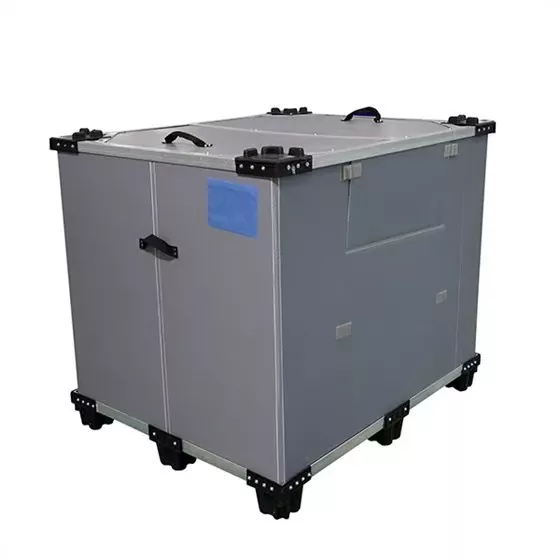
- Reusable modular protection systems
- Biodegradable fiber-based materials
Choosing sustainable materials helps reduce waste while maintaining high performance standards.
12. Frequently Asked Questions
Q1: How long can a floor protection board be used?
Depending on material quality, it can last from a few days to several months or be reused across multiple projects.
Q2: Can floor protection boards be used on wet floors?
Yes, waterproof types like PP boards are suitable for damp environments.
Q3: Are they suitable for heavy machinery?
Yes, but only heavy-duty or rubber-based boards are recommended.
Q4: Do they leave residue after removal?
High-quality boards typically do not leave residue if installed correctly.
13. Conclusion and Professional Recommendation
A floor protection board is no longer an optional construction accessory but a necessary investment for ensuring quality, safety, and efficiency in any building or renovation project. From preventing costly damage to improving site organization, its role is essential in modern project management.
For reliable and high-performance solutions, professional-grade products from experienced manufacturers ensure long-term durability and consistent protection across different environments.
Cangzhou Juntai Packaging Products Co., Ltd. is committed to providing durable and efficient floor protection solutions designed for construction, renovation, and industrial applications.
If you are looking for customized solutions, bulk orders, or professional consultation, please feel free to contact us. Our team is ready to support your project with high-quality products and dedicated service.
Related News
- Benefits of Gold-Catching Grass Mats
- Why are more and more enterprises adopting collapsible hollow-board turnover boxes?
- How Can Non-Standard Collapsible Pallet Box Improve Modern Supply Chain Efficiency?
- What Makes PP Honeycomb Sheet So Efficient for Modern Packaging and Construction?
- Why Is Anti-static PP Hollow Sheet Essential for Modern Packaging and Industrial Protection?
- Why Are Colored PP Hollow Sheets Becoming Essential Across Modern Industries?
Leave me a message