English
- English
- Español
- Português
- русский
- Français
- 日本語
- Deutsch
- tiếng Việt
- Italiano
- Nederlands
- ภาษาไทย
- Polski
- 한국어
- Svenska
- magyar
- Malay
- বাংলা ভাষার
- Dansk
- Suomi
- हिन्दी
- Pilipino
- Türkçe
- Gaeilge
- العربية
- Indonesia
- Norsk
- تمل
- český
- ελληνικά
- український
- Javanese
- فارسی
- தமிழ்
- తెలుగు
- नेपाली
- Burmese
- български
- ລາວ
- Latine
- Қазақша
- Euskal
- Azərbaycan
- Slovenský jazyk
- Македонски
- Lietuvos
- Eesti Keel
- Română
- Slovenski
- मराठी
- Srpski језик

What Makes Hollow Sheet Raw Materials Essential for Modern Packaging and Industrial Applications?
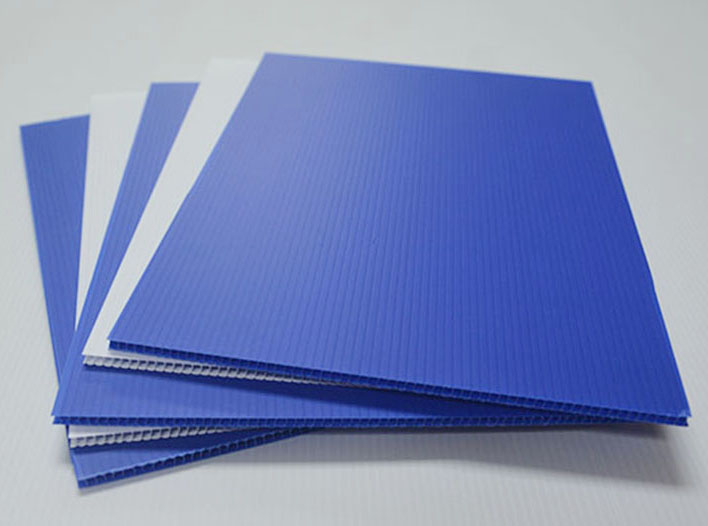
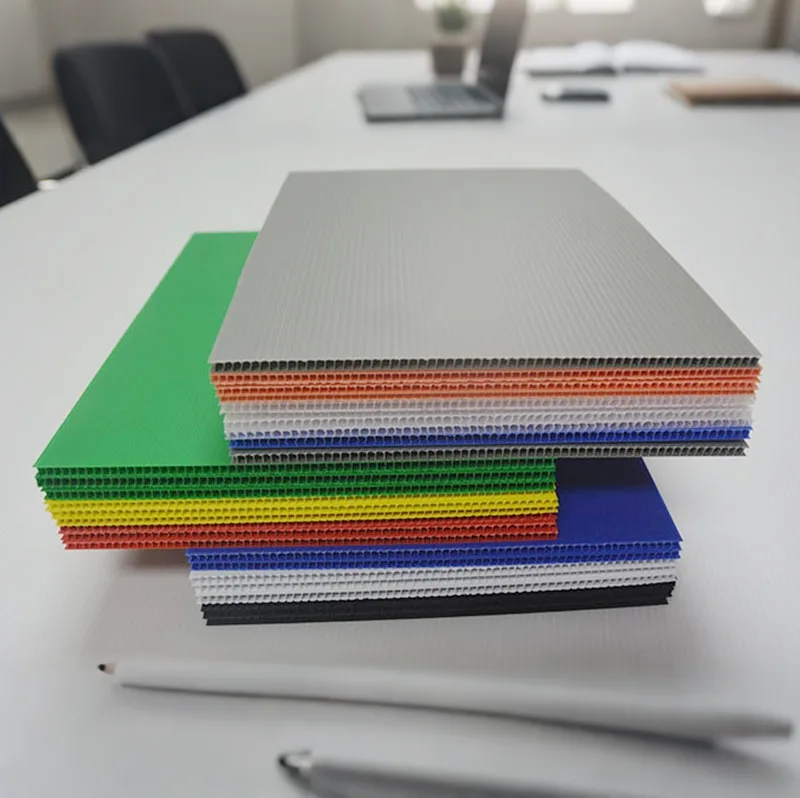
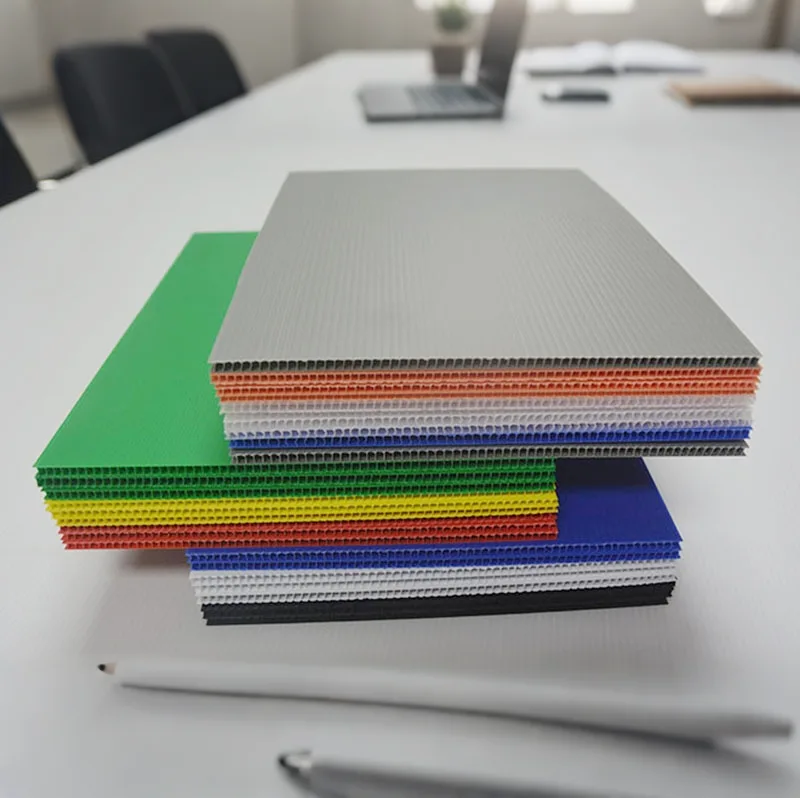
Hollow sheet raw materials have become a cornerstone in industries ranging from packaging to construction due to their lightweight structure, durability, and cost efficiency. Businesses today are constantly searching for materials that reduce expenses while improving performance, and hollow sheets meet this demand by offering a unique balance of strength and flexibility. Whether used for protective packaging, signage, or reusable logistics solutions, understanding the right raw materials can significantly impact product quality and operational efficiency.
Article Summary
This in-depth guide explores hollow sheet raw materials, including their types, properties, applications, and selection strategies. It addresses common customer concerns such as durability, environmental impact, and cost-effectiveness while offering practical insights to help businesses make informed decisions.
Table of Contents
- 1. What Are Hollow Sheet Raw Materials?
- 2. Why Are Hollow Sheets Widely Used?
- 3. Common Types of Hollow Sheet Raw Materials
- 4. Key Properties That Define Performance
- 5. Applications Across Industries
- 6. How to Choose the Right Raw Material
- 7. Cost vs Performance Comparison
- 8. Environmental Considerations
- 9. Manufacturing Process Overview
- 10. Common Customer Pain Points and Solutions
- 11. Future Trends in Hollow Sheet Materials
- 12. FAQ
1. What Are Hollow Sheet Raw Materials?
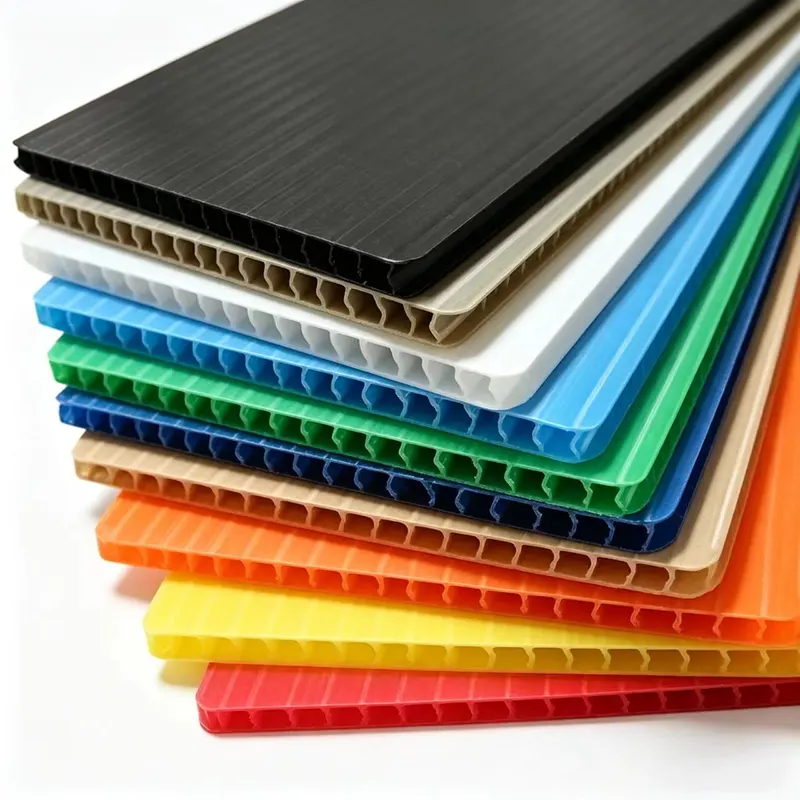
Hollow sheet raw materials refer to the base polymers or compounds used to manufacture lightweight sheets with a hollow internal structure. These sheets are typically produced through extrusion processes, forming parallel channels that reduce weight while maintaining rigidity.
The most common materials include polypropylene (PP), polyethylene (PE), and polycarbonate (PC), each offering unique characteristics suited for different applications.
2. Why Are Hollow Sheets Widely Used?
- Lightweight yet strong structure
- Excellent impact resistance
- Reusable and recyclable
- Cost-effective for bulk production
- Waterproof and chemical resistant
These advantages make hollow sheets an ideal choice for businesses aiming to reduce logistics costs while maintaining product protection.
3. Common Types of Hollow Sheet Raw Materials
| Material | Key Features | Best Use Cases |
|---|---|---|
| Polypropylene (PP) | Lightweight, durable, chemical-resistant | Packaging, turnover boxes |
| Polyethylene (PE) | Flexible, moisture-resistant | Agriculture, protective sheets |
| Polycarbonate (PC) | High transparency, impact resistance | Construction, roofing panels |
4. Key Properties That Define Performance
Choosing the right hollow sheet material depends on understanding the following properties:
- Impact Strength: Determines resistance to physical damage
- Weight: Affects transportation and handling costs
- Thermal Stability: Important for extreme environments
- Water Resistance: Essential for outdoor and packaging use
- Chemical Resistance: Critical for industrial applications
5. Applications Across Industries
Hollow sheet raw materials are widely used in various sectors:
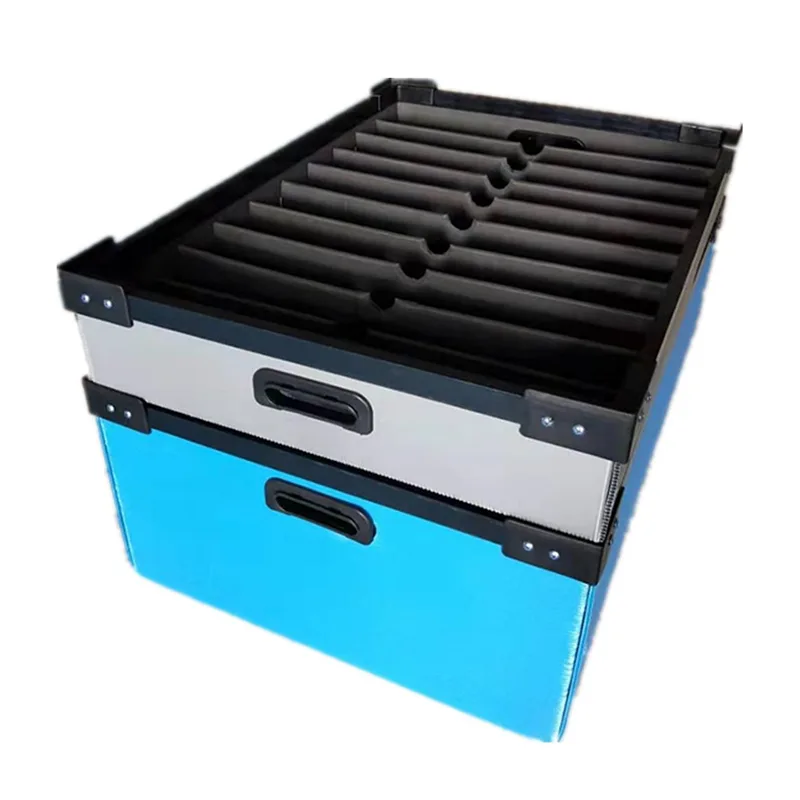
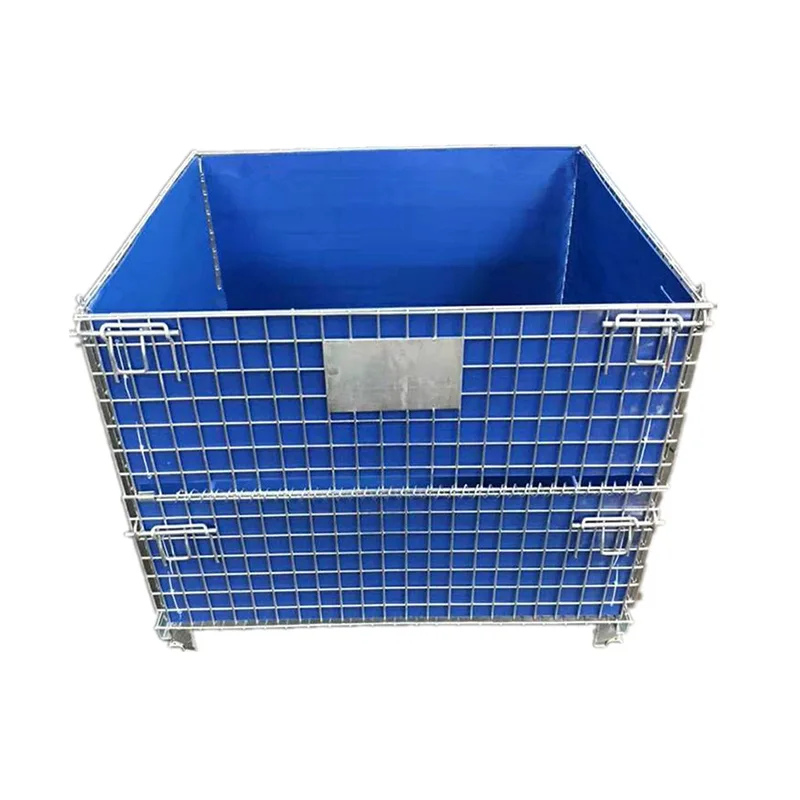
- Packaging Industry: Reusable boxes, protective layers
- Advertising: Signboards and display panels
- Agriculture: Plant protection sheets
- Construction: Insulation and roofing materials
- Automotive: Component protection during transport
6. How to Choose the Right Raw Material
When selecting hollow sheet raw materials, businesses should consider:
- Application requirements
- Environmental exposure
- Budget constraints
- Reusability needs
- Customization options
For example, polypropylene is often preferred for logistics packaging due to its balance of cost and durability.
7. Cost vs Performance Comparison
| Material | Cost Level | Durability | Flexibility |
|---|---|---|---|
| PP | Low | High | Moderate |
| PE | Low | Medium | High |
| PC | High | Very High | Low |
8. Environmental Considerations
Sustainability is a growing concern for businesses and consumers. Hollow sheet materials offer several eco-friendly advantages:
- Recyclable materials reduce waste
- Reusable designs lower long-term costs
- Lightweight structure reduces carbon emissions during transport
Many manufacturers are now adopting recycled polypropylene to further minimize environmental impact.
9. Manufacturing Process Overview
The production of hollow sheets typically involves:
- Raw material selection and preparation
- Melting and extrusion
- Shaping into hollow structures
- Cooling and cutting
- Quality inspection
This process ensures consistent thickness, strength, and durability.
10. Common Customer Pain Points and Solutions
| Pain Point | Solution |
|---|---|
| Material deformation | Choose higher-density PP or PC |
| Short lifespan | Use UV-resistant additives |
| High cost | Optimize thickness and material type |
| Environmental concerns | Select recyclable materials |
11. Future Trends in Hollow Sheet Materials
- Increased use of recycled polymers
- Development of biodegradable alternatives
- Enhanced customization for branding
- Integration with smart packaging technologies
These innovations are expected to further expand the applications of hollow sheets in the coming years.
12. FAQ
Q1: What is the most commonly used hollow sheet material?
A: Polypropylene (PP) is the most widely used due to its balance of cost, durability, and versatility.
Q2: Are hollow sheets waterproof?
A: Yes, most hollow sheets made from PP or PE are highly water-resistant.
Q3: Can hollow sheets be reused?
A: Absolutely. They are designed for multiple uses, especially in logistics and packaging.
Q4: How long do hollow sheets last?
A: Depending on the material and usage conditions, they can last several years.
Q5: Are they environmentally friendly?
A: Yes, especially when made from recyclable or recycled materials.
Conclusion
Hollow sheet raw materials play a critical role in modern industries by offering a unique combination of strength, flexibility, and cost efficiency. By understanding the different material options and their properties, businesses can make smarter decisions that improve both performance and sustainability.
Cangzhou Juntai Packaging Products Co., Ltd. specializes in high-quality hollow sheet solutions tailored to diverse industrial needs. Whether you are looking for durable packaging materials or customized sheet designs, choosing the right partner makes all the difference.
Contact us today to explore premium hollow sheet raw materials and discover how we can help optimize your packaging and production processes.
Related News
- Benefits of Gold-Catching Grass Mats
- Why are more and more enterprises adopting collapsible hollow-board turnover boxes?
- How Can Non-Standard Collapsible Pallet Box Improve Modern Supply Chain Efficiency?
- What Makes PP Honeycomb Sheet So Efficient for Modern Packaging and Construction?
- Why is Floor Protection Board Essential for Modern Construction and Renovation?
- Why Is Anti-static PP Hollow Sheet Essential for Modern Packaging and Industrial Protection?
Leave me a message